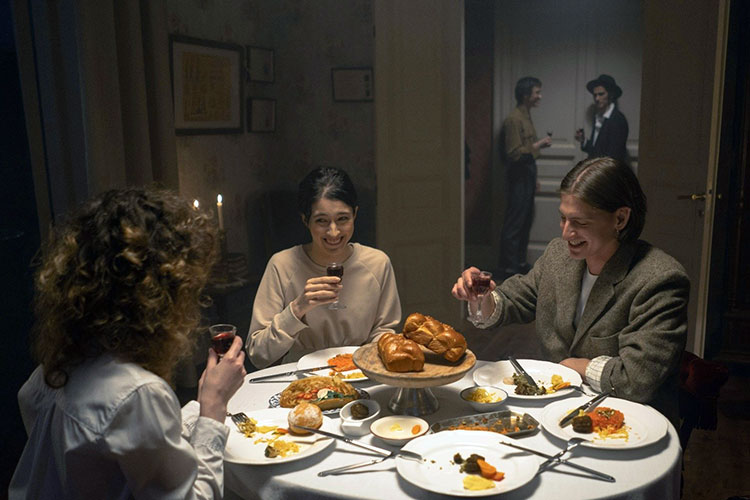
Divorce is a deeply personal process, and when cultural or religious values are involved, it can become even more complex. In Washington State, the legal system provides a framework for dissolving a marriage, but it does not always reflect the customs or expectations of a couple’s cultural or religious background. When these differences are significant, they can impact how each party approaches issues like parenting, property division, and support.
At Magnuson Lowell, P.S., we understand the importance of honoring our clients’ values while ensuring their legal rights are protected. Here’s how cultural and religious considerations can influence divorce proceedings—and how to manage them with care and clarity.
Understanding the Role of Culture and Religion in Divorce
Cultural and religious traditions can shape how spouses view marriage, family roles, and divorce itself. In some communities, divorce may carry a strong social stigma, while in others, it may involve religious obligations or community expectations. These values can affect:
- Views on child-rearing and discipline
- Expectations about spousal roles and financial responsibilities
- Decisions about religious education for children
- Approaches to resolving conflict (e.g., mediation vs. litigation)
Respecting these perspectives is important, but it’s also essential to understand how Washington law may differ from personal or community beliefs.
Washington Law vs. Religious Customs
While Washington courts recognize the importance of cultural and religious backgrounds, all legal decisions must be made under state law. For example:
- A religious divorce does not replace the legal divorce process in Washington.
- Agreements made under religious principles must still comply with Washington’s requirements for enforceability.
- Parenting plans must reflect the best interests of the child, even if they differ from religious expectations.
Courts may consider religious or cultural factors when appropriate, but they will not enforce traditions that conflict with legal standards or public policy.
Resolving Disputes with Respect and Flexibility
When cultural or religious differences create conflict in a divorce, the following strategies can help reach more respectful and amicable outcomes:
- Mediation: A neutral mediator familiar with cultural sensitivity can help parties find common ground while honoring their beliefs.
- Collaborative divorce: This approach allows spouses to work together outside of court, often with support from culturally aware professionals.
- Tailored parenting plans: Parents can create customized plans that include religious holidays, practices, and educational preferences - as long as they align with the child’s best interests.
Flexibility and open communication are key to resolving disagreements in a way that respects both parties’ identities.
The Importance of Cultural Competence in Legal Representation
Choosing an attorney who is sensitive to cultural and religious issues can make a significant difference in the outcome of your case. A culturally competent lawyer will:
- Take time to understand your background and values
- Communicate with empathy and awareness
- Help balance cultural expectations with legal requirements
- Ensure your voice is heard in the legal process
Even if cultural or religious traditions are not legally binding, they are personally meaningful. Having an attorney who respects that can help you feel more confident and supported.
Work with an Experienced Washington Divorce Attorney
At Magnuson Lowell, P.S., we recognize that divorce is never one-size-fits-all. If your case involves cultural or religious considerations, we are here to help you navigate the legal process with dignity and understanding. We offer free telephone case evaluations to discuss your situation and explore the best path forward for your needs and values. - Call Today 425-800-0582