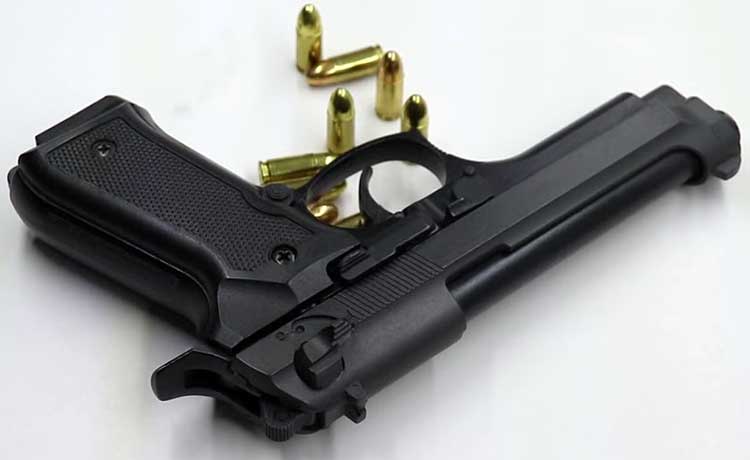
Washington law imposes specific firearm restrictions on individuals subject to certain protection orders. These requirements can carry serious legal consequences, and understanding them is important for anyone involved in a domestic violence protection order case. If you become the subject of a Domestic Violence Protection Order, you may also be subject to an Order requiring surrender of firearms. Abiding by that Order is of crucial importance.
When Firearm Restrictions Apply
Certain protection orders, including domestic violence protection orders, usually trigger restrictions on firearm possession if there is a threat of harm to the alleged victim. This typically applies once a court has made specific findings, such as a finding of domestic violence or a determination that the restrained party poses a credible threat. The restriction generally applies for the duration of the order, though the specifics can vary depending on the type of order and the findings made by the court.
Surrender Procedures
The Order to Surrender Weapons often outlines the instructions and requirements, so please review your Court Order and speak to an attorney for specific information about your case. A restrained party is typically required to surrender all firearms and concealed pistol licenses within a specified time frame - often to law enforcement. Washington courts generally require proof of compliance, such as a receipt or declaration confirming the surrender. The Court always holds a compliance hearing to ensure the weapons were surrendered. Failure to comply with surrender requirements can result in additional legal consequences, separate from any violation of the underlying protection order.
Consequences of Noncompliance
Violating firearm surrender requirements may constitute a criminal offense under Washington law, independent of any civil protection order violation. This can result in criminal charges in addition to any contempt proceedings related to the protection order itself. Because both civil and criminal consequences can apply, individuals subject to these orders should take compliance seriously and seek legal guidance if they have questions about the process.
Recovering Firearms After an Order Expires
If a protection order expires or is not renewed, a restrained party may be able to seek the return of surrendered firearms, subject to certain legal requirements and any other applicable restrictions, such as prior criminal history.
Sometimes, the recovery may be automatically built into the Order. But, often, the process for recovering firearms involves a petition to the court and can require a hearing.
Firearm surrender requirements add another layer of complexity to protection order cases, with consequences that can extend well beyond the order itself. At Magnuson Lowell, P.S., we represent both petitioners and respondents in protection order cases in King County. We offer free telephone case evaluations to discuss the specifics of your case. Call today 425-800-0572